
How to Organise a Medical Congress in Croatia — A Complete Guide
Everything pharma companies, medical associations, and scientific societies need to know
Introduction
Organising a medical congress is one of the most complex undertakings in the professional events world. It requires coordinating scientific programmes, abstract submission systems, speaker management, sponsor logistics, registration platforms, hotel room blocks, catering, audio-visual equipment, and simultaneous translation — often across multiple days and hundreds or thousands of attendees. When that congress takes place in Croatia, it also involves navigating local supplier networks, regulatory requirements, and destination-specific logistics that only experienced local professionals truly understand.
This guide is written for medical associations, pharmaceutical companies, healthcare organisations, and scientific societies considering Croatia — and specifically Zagreb or the Adriatic coast — as their congress destination. It covers everything from choosing the right venue to working with a Professional Congress Organiser (PCO), and why getting these decisions right from the start determines whether your event is remembered for the right reasons.
Why Croatia is a Premier Congress Destination
Croatia has firmly established itself as one of Europe’s most attractive congress destinations. With excellent international air connections to Zagreb (Franjo Tuđman Airport), a growing network of high-capacity congress venues, and a coastline that offers unmatched incentive and post-congress programme opportunities, Croatia consistently delivers on both the professional and experiential dimensions of major events.
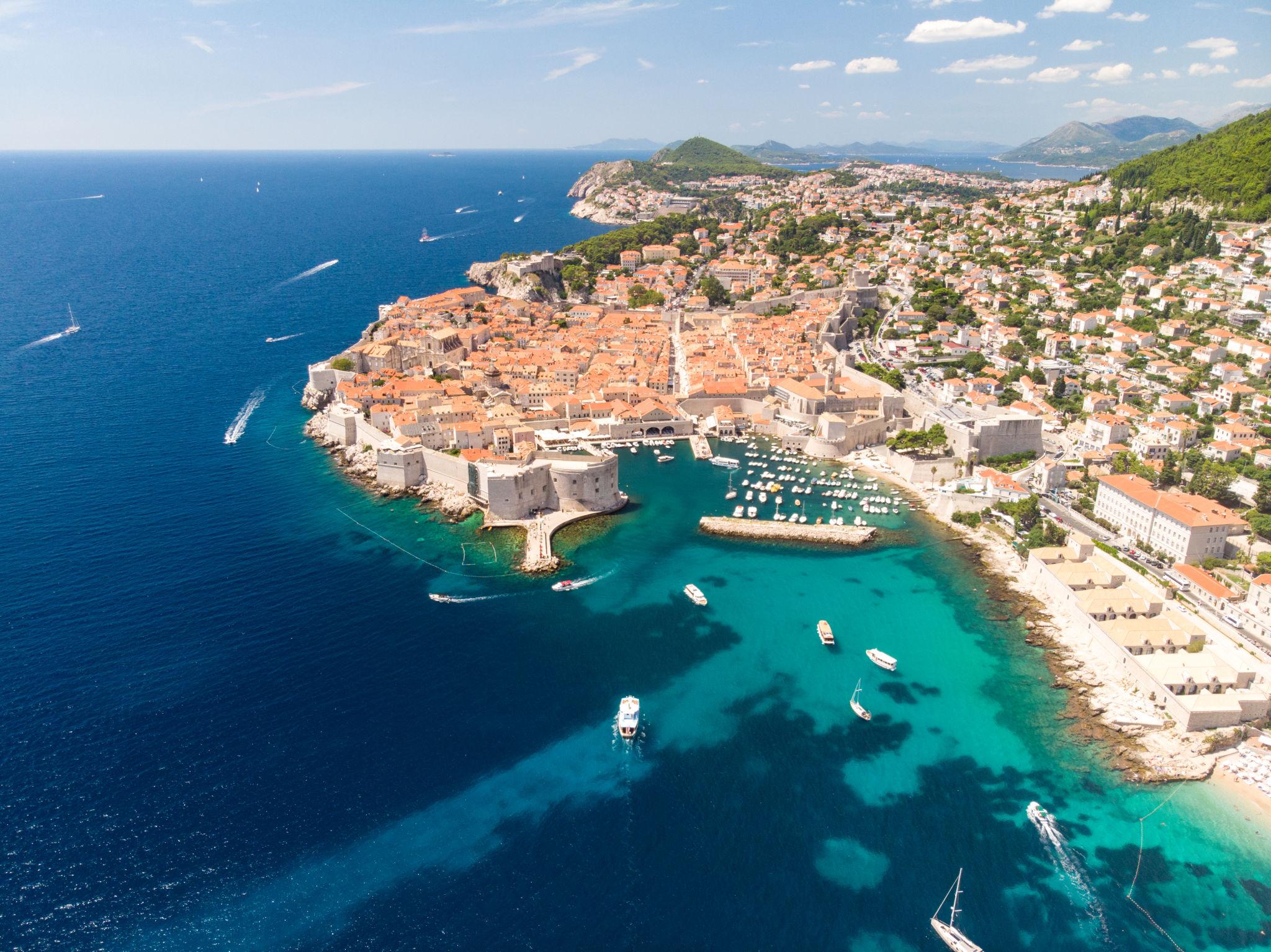
Zagreb, as the capital city, offers world-class hotel infrastructure, modern congress centres capable of hosting events with 1,000 or more attendees, and a compact city centre that makes multi-venue events logistically manageable. The Croatian coast — Opatija, Split, Dubrovnik, and the islands — offers spectacular settings for smaller, high-impact congresses and symposia where the environment itself becomes part of the scientific experience.
Compared to Western European destinations, Croatia also offers a significant price advantage without compromising on quality. Venue fees, hotel room rates, catering costs, and local service providers are meaningfully more competitive than equivalent options in Vienna, Munich, or Paris — a factor that matters greatly when managing tight association budgets or pharmaceutical compliance spending limits.
What a Professional Congress Organiser (PCO) Actually Does
A Professional Congress Organiser is not simply an event coordinator. A PCO is a strategic partner who takes full operational ownership of your congress — from the first planning meeting, typically 12 to 24 months before the event, through to post-congress reporting and financial reconciliation.
The scope of a PCO’s work includes: venue sourcing and contract negotiation, abstract submission and review platform management, speaker invitation and travel coordination, registration system setup and ongoing attendee management, hotel room block management, sponsor and exhibitor coordination, audio-visual and technical production, on-site staff management, catering planning, simultaneous interpretation, social programme design, mobile app development, and post-event reporting.
For medical and pharmaceutical congresses specifically, a PCO must also understand and operate within the compliance frameworks that govern interactions between industry and healthcare professionals — including EFPIA codes, local HTA requirements, and company-specific spending approval processes. Experience in the pharmaceutical sector is not a nice-to-have; it is essential.
The Congress Planning Timeline
The single most common mistake organisations make when planning a congress is starting too late. For events with more than 200 attendees, the planning horizon should be a minimum of 18 months. For international congresses exceeding 500 attendees, two years is standard.
The planning timeline typically breaks down as follows: in the first phase (18–24 months before), the focus is on venue selection, date confirmation, PCO appointment, and initial budget development. In the second phase (12–18 months before), abstract submission opens, the scientific committee is established, early-bird registration launches, and sponsor prospectus development begins. The third phase (6–12 months before) covers speaker confirmation, hotel room block management, programme finalisation, and marketing intensification. The final phase (0–6 months before) is operational execution — on-site logistics, delegate communication, final programme printing, and staff briefing.
Missing milestones in the early phases creates cascading pressure in the final months, which is where quality begins to suffer and costs begin to rise.
Choosing the Right PCO in Croatia
Not all event agencies in Croatia have the depth of experience required to manage a complex medical or scientific congress. When evaluating a PCO partner, look for demonstrated experience with international medical congresses, fluency in pharmaceutical compliance requirements, an established network of local suppliers and venues, in-house abstract management and registration capabilities, and references from similar events.
Longevity matters. An agency that has been operating in the Croatian market for decades has navigated economic cycles, venue closures, supplier changes, and the unexpected disruptions that inevitably affect live events. That institutional knowledge — knowing which venues deliver on their promises, which suppliers are genuinely reliable, which hotels honour their room blocks — is not something that can be replicated by newer entrants.
Penta has been organising congresses and professional events in Croatia for over 30 years. If you are planning a congress, symposium, or large-scale professional meeting in Croatia, we welcome an initial conversation about your project.
Conclusion
Croatia offers an exceptional combination of destination appeal, logistical capability, and cost competitiveness for medical and scientific congresses. The key to a successful event is engaging the right professional partner early, with enough lead time to execute every element at the standard your attendees and sponsors expect.
Whether you are organising your first congress in Croatia or looking to move an established event to a new destination, the fundamentals remain the same: choose your destination wisely, appoint your PCO early, and trust the process.